

.jpg)



Why outdated software scanning is critical
Internet-exposed runtimes pose particularly high risks. To stay secure, it’s critical to monitor which frameworks and packages need updates due to end-of-life.
Covers container images and code
End-of-life packages and frameworks can lurk in both your codebase and your container images. Aikido covers both.
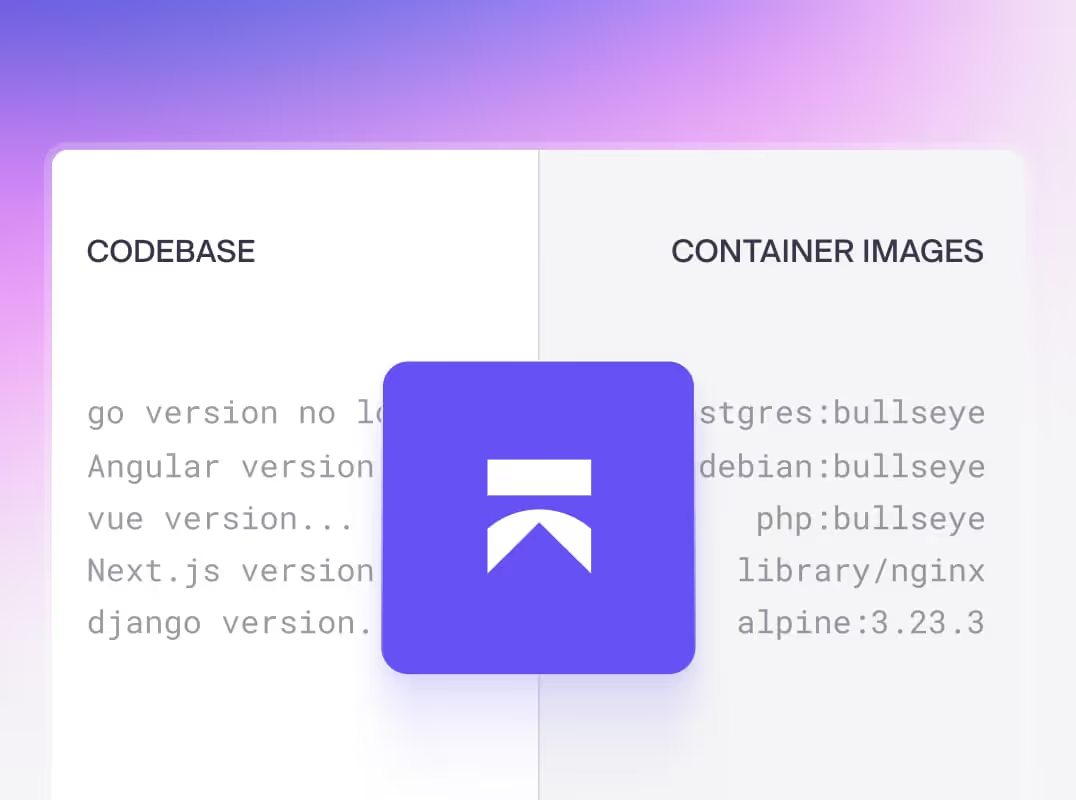
Prioritizes the most important runtimes
Aikido prioritizes the runtimes that have a big impact and are commonly exposed to the web (Python, Node.js, PHP, Apache, Nginx, etc.).
.jpg)
Outdated software scanning features

“Aikido makes your security one of your USPs thanks to their integrated automated reporting solution, which helps for ISO & SOC2 certification”
Fabrice GManaging director at Kadonation
FAQs about outdated & end-of-life software security

EOL scanning identifies components in your stack that are no longer supported or maintained. Once software reaches EOL, it stops receiving security patches, making it a long-term vulnerability. Even if everything looks safe today, newly discovered exploits won't be fixed. Using EOL components increases your risk of security breaches and instability. Aikido helps you catch and replace these before they become liabilities.
Aikido compares your project's dependencies and container components against a live database of known EOL dates. It flags outdated versions of frameworks, runtimes, and libraries that are no longer supported. This applies to both direct and transitive dependencies across your codebase and container images, including major platforms like Python, Node.js, PHP, and more.
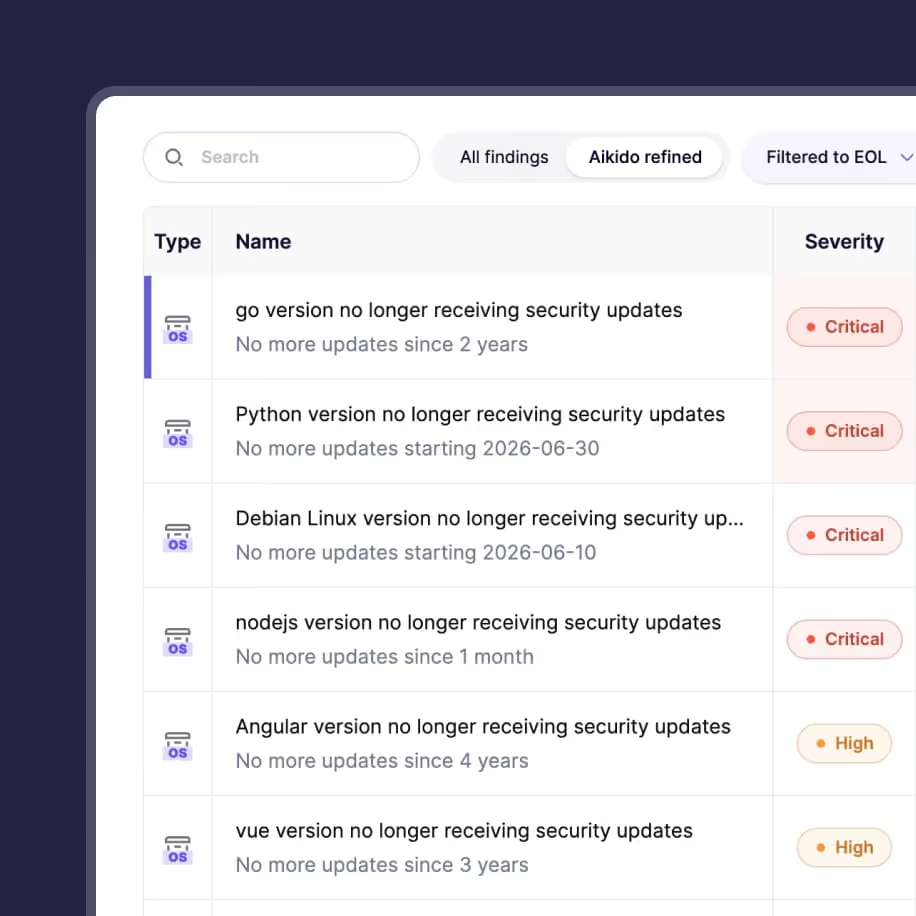
Examples include Python 2.7, AngularJS 1.x, Drupal 7, or PHP 5-all of which are no longer supported. Aikido would also flag outdated web servers like old Nginx or Apache versions. It clearly indicates which component is EOL and often includes the date it lost support.
EOL software becomes a permanent security risk. If a new vulnerability is discovered, no patch will ever arrive. Attackers often target known outdated components because they're easy to exploit. Over time, these tools may also become incompatible or unstable. Aikido treats EOL risks seriously and increases alert severity as EOL dates approach or pass.
Aikido flags the EOL component and shows since when it lost support. We'll show you the nearest LTS version (and if no LTS versions, nearest version to current installed version). Aikido ensures you're aware of the risk, so your team can choose how to address it.
Yes. Aikido maintains a current database of support timelines and warns you when components are nearing or have passed EOL. Alerts start 90 days before EOL and escalate in severity as the EOL date approaches, giving you time to plan upgrades before support ends.
It's fully integrated. EOL scanning runs automatically with every code or container scan. You'll see EOL issues in the same dashboard as other findings like CVEs and license risks-no need for separate workflows.
Manual EOL tracking is time-consuming and error-prone. Aikido automates this by monitoring a vast, continuously updated database. It checks all your dependencies�direct and transitive - and surfaces EOL issues you might otherwise miss automatically, saving hours of research and reducing the chance of oversight.
Yes. Aikido scans your full stack - from npm or Maven libraries to runtime environments, databases, and OS versions inside containers. Anything with a version and support lifecycle is checked. If it's outdated or unsupported, it gets flagged. Supported EOLs: https://app.aikido.dev/reports/runtimes
Most tools, like Snyk, focus on vulnerabilities and may only suggest updates. They often don't treat EOL as a top-level issue. Aikido gives EOL its own alert category and severity tracking, making it easier to act on before it becomes a problem - this proactive EOL scanning is a key differentiator.
Get secure now
Secure your code, cloud, and runtime in one central system.
Find and fix vulnerabilities fast automatically.


.png)